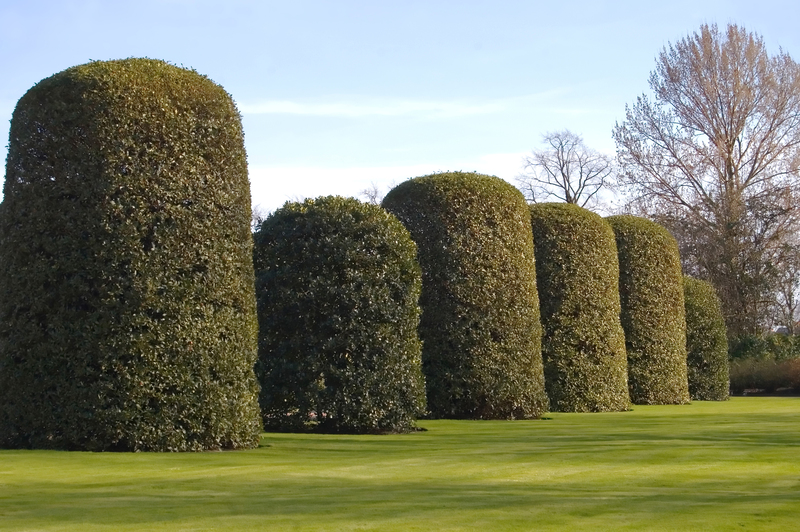
Block Unwanted Views Naturally with Elegant Tall-Potted Plant Selections
Block Unwanted Views Naturally with Elegant Tall-Potted Plant Selections: The Complete Guide
You know that feeling when you step onto the balcony or patio, cup of tea steaming in hand, only to lock eyes with the neighbour two doors down? Happens more than we admit. Good news: you don't need building work, a planning application, or a giant fence to reclaim your calm. With the right tall-potted plants, you can soften harsh sightlines, hush street noise a touch, and create a living, breathing screen that feels like it's always belonged there. This guide shows you how to block unwanted views naturally with elegant tall-potted plant selections--beautifully, practically, and sustainably.
We'll look at the best species, design strategies, legal considerations in the UK, and the nitty-gritty (drainage, pot sizes, watering, wind). It's part horticulture, part design, part quietly reclaiming your space. Clean, clear, calm. That's the goal.
Table of Contents
- Why This Topic Matters
- Key Benefits
- Step-by-Step Guidance
- Expert Tips
- Common Mistakes to Avoid
- Case Study or Real-World Example
- Tools, Resources & Recommendations
- Law, Compliance or Industry Standards (UK-focused)
- Checklist
- Conclusion with CTA
- FAQ
Why This Topic Matters
Privacy is the new luxury, especially in tight urban spaces where windows stack, terraces crowd, and everyone's got a perfect view of your book and biscuits. Traditional fixes--tall fences, masonry walls, even pergolas--can be costly and painfully slow to approve. Worse, they often feel heavy, like you've boxed yourself in. Tall planters and containerised screens flip that script.
By choosing elegant tall-potted plant selections you get instant, movable privacy that breathes. Living screens filter light and soften sound; they sway, they move, they cool the air around you. They also do something fences never can: they change with the seasons. A few pots can turn a glass-and-brick balcony into a green cocoon. And if you rent? You can take it with you--no drama, no deposit battles.
There's also a sustainability story. Plants sequester a little carbon, support pollinators, and reduce the heat island effect. It's not just about hiding your neighbour's kitchen; it's about creating a small, natural privacy solution that's alive. To be fair, once you've lived with leaf-filtered light, it's hard to go back.
Key Benefits
- Immediate screening: Tall bamboos, trained photinia, or large grasses provide privacy on day one. No two-year hedge wait.
- Moveable and flexible: Shift pots to chase or avoid sun, adjust for seasonal wind, or reconfigure for gatherings.
- Design-forward: A curated palette of foliage, heights, and textures reads sophisticated, not improvised.
- Low-commitment: Ideal for renters; no drilling into walls or permanent structure changes.
- Better microclimate: Plants cool air, catch dust, and soften breezes. You'll actually feel the difference on hot days.
- Cost control: Cheaper and faster than hard landscaping. You can scale up as budget allows.
- Legal simplicity: Often no planning permission is needed for movable pots (see UK notes below).
- Biodiversity boost: Flowering screens (e.g., jasmine) feed pollinators and look dreamy at dusk.
Little moment: one client told us the first evening after installing tall planters, the city felt "a step further away." That's the magic.
Step-by-Step Guidance
This is the exact process we use when helping homeowners, renters, and small businesses block unwanted views naturally with elegant tall-potted plant selections. Follow it and you'll avoid the expensive do-overs.
1) Map your sightlines
- Stand or sit where you actually relax. Morning and evening. What needs screening at 1.2 m seated height and at 1.6-1.8 m standing height?
- Mark lines using a broom or tape measure, noting how high your screen must rise above your planter. Often 1.5-2.0 m from floor level does it.
- Consider angles: Sometimes one tall pot at the corner solves the problem; other times you need a layered run.
2) Understand your microclimate
- Aspect: South and west balconies can scorch in July; north and east may be cool and shaded.
- Wind: High floors create wind tunnels. Lightweight pots tip--use ballast and anchoring (more below).
- Access and water: No tap? Consider self-watering planters or a watering can that won't wreck your back.
3) Choose your container strategy
- Size: For true screening plants (1.8-3 m), use at least 40-60 cm diameter and depth. Bigger roots, better stability.
- Material:
- Fibreglass/GRP: light, tough, modern shapes.
- Corten steel: architectural, heavy, weathers to a warm patina.
- Timber troughs: warm, natural; line with pond liner for longevity.
- Ceramic: beautiful but heavy; mind balcony load limits.
- Mobility: Use lockable casters or pot dollies so you can tweak positions. Your back will thank you.
- Self-watering: Sub-irrigated planters (with reservoirs) reduce maintenance and water waste.
4) Select the plants (by light and purpose)
Choose elegant tall-potted plant selections that match your light levels and the look you love. Mix evergreen backbone with seasonal movement.
- Sun/part-sun screens:
- Fargesia robusta or Fargesia rufa (clumping bamboo) - non-running, upright, lush privacy fast.
- Photinia x fraseri 'Red Robin' (trained as screens or multi-stems) - red new growth, excellent impact.
- Trachycarpus fortunei (windmill palm) - structural, surprisingly hardy; underplant with grasses for density.
- Olea europaea (olive) - silver-green elegance; pair with tall planters for height.
- Calamagrostis 'Karl Foerster' - tall, narrow plumes; rhythmic and tidy.
- Trachelospermum jasminoides (star jasmine) on trellis - fragrant summer screening.
- Shade/part-shade screens:
- Griselinia littoralis (in large troughs) - glossy evergreen, coastal-tolerant.
- Pittosporum tenuifolium (varieties) - airy, evergreen, good in pots.
- Osmanthus heterophyllus - dense, fragrant, shade-tolerant.
- Camellia sasanqua - autumn flowers, manageable in containers.
- Statement evergreens:
- Phormium tenax (New Zealand flax) - architectural swords; wind-resilient.
- Thuja occidentalis 'Smaragd' - neat, columnar, reliable green walling.
- Podocarpus (podocarpus salignus or ' Icee Blue' cultivars) - elegant, upright foliage.
- Fast seasonal bulk:
- Miscanthus sinensis varieties - height and movement; cut back in late winter.
- Bamboo (again, clumping types) for quick height without invasive runners.
Note: Avoid running bamboos (e.g., many Phyllostachys) unless fully contained with root barriers and oversized planters. It's a pain later. Trust us.
5) Get the soil and drainage right
- Drainage layer: A thin layer of lightweight clay pebbles or coarse grit over drainage holes; don't overdo it--roots need soil depth.
- Compost: High-quality peat-free mix with 20-30% sharp sand or perlite for structure; add slow-release fertiliser.
- Top-dressing: Mulch with fine bark or decorative gravel to reduce splash and evaporation.
6) Planting technique
- Pre-soak root balls. Loosen circling roots gently.
- Set plants slightly below the rim (2-3 cm) to allow watering space.
- Water deeply to settle; top up compost as it sinks.
7) Stabilise against wind
- Choose wider bases or add internal ballast (e.g., pavers) below the compost layer.
- Secure trellis to planters (not to railings, unless you have permission) with stainless hardware.
- Cluster plants to baffle gusts rather than forming a solid sail.
8) Watering and feeding
- Watering rhythm: In summer, deep water 1-2 times weekly; in winter, only when dry. Finger test at 5 cm depth beats guesswork.
- Feeding: Slow-release granules in spring; liquid feed mid-season if growth seems sluggish.
- Self-watering aids: Capillary mats, reservoir planters, and water spikes can halve the effort.
9) Maintenance calendar
- Spring: Prune, top-dress compost, refresh mulch, check casters and fixings.
- Summer: Deadhead, tie-in climbers, watch for aphids/red spider mite (mist leaves in heat).
- Autumn: Light prune, reduce feeding, plan wind protection.
- Winter: Protect roots with fleece or bubble wrap if exposed; raise pots on feet to avoid waterlogging.
10) Winter resilience
Containers get colder than ground. Pick hardy species for your area, and consider fleece wraps or huddling pots together. If it was raining hard outside that day and you can still hear the wind whistling, you'll be glad you prepped.
11) Budget like a pro
- Prioritise larger containers over more plants. Roots first, leaves second.
- Start with an evergreen backbone, then add seasonal layers later.
- Buy fewer, better pots--consistency reads elegant.
12) Safety on balconies and terraces
- Confirm weight limits with building management or a structural engineer (pavers, wet soil, and steel planters are heavy).
- Avoid blocking fire escape routes or door swing paths.
- Use drip trays to protect neighbours below; nobody loves a surprise shower.
Ever tried clearing a room and found yourself keeping everything "just in case"? Same with plants. Edit boldly; clarity looks expensive, in the best way.
Expert Tips
- Layer heights: Place the tallest screens just beyond the eye line, then mid-height fillers, then spillers at the edge. Instant depth.
- Three's a charm: Group in odd numbers for visual balance.
- Go narrower than you think: Linear troughs (30-40 cm wide) can create neat, continuous screening without eating space.
- Thriller-filler-spiller formula: Even for privacy plantings, one strong "thriller" per container makes it feel designed.
- Palette discipline: Stick to two foliage colours and one accent bloom; the space reads calm, not chaotic.
- Invisible anchors: Hidden weights or internal fixing bars stop tall screens wobbling--clean look, safer setup.
- Micro-irrigation: A simple drip kit on a timer is life-changing (and water efficient) if you've got a hose point.
- Fragrance at nose height: Star jasmine, osmanthus, or lavender near seating lifts the mood instantly.
- Respect the wind: Permeable screens work better than solid ones. Movement equals comfort.
- Choose clumping bamboos: Seriously. Saves you from future regret. Yeah, we've all been there.
Truth be told, a well-placed jasmine on a slim trellis has "date night on a Tuesday" energy. You'll see why.
Common Mistakes to Avoid
- Undersized pots: Tall plants in tiny containers become top-heavy, thirsty, and sad. Go big or go back to the shop.
- No drainage: Waterlogged roots lead to quick decline. Always ensure clear holes and pot feet.
- Ignoring weight: Overloading a balcony is not just risky--it's illegal. Check limits.
- Monoculture: One species across the board looks flat and can fail all at once. Mix two or three types minimum.
- Wrong plant for light: Sun lovers in shade will sulk; shade lovers in sun will scorch.
- Solid wind walls: Rigid panels can act like sails. Plants should sway.
- Overfeeding: More fertiliser isn't better. It can burn roots and create lanky growth.
- Planting invasives: Avoid species listed under the Wildlife and Countryside Act 1981 Schedule 9.
- Neglecting access: If you can't reach to water and prune safely, you won't do it. Keep it practical.
Ever notice how the "quick fix" tends to be the long problem? Take the extra day to set it up right.
Case Study or Real-World Example
Location: Fifth-floor balcony, Hackney, East London. South-west aspect. Strong afternoon sun, gusty wind.
Problem: Direct view into a neighbouring office across the street and a bus stop below. Client wanted privacy without losing precious light.
Approach: We mapped sightlines from the sofa and bistro set. The main intrusion was a 10-15? angle to the right. Instead of walling off the whole railing, we targeted the angle.
- Containers: Three 90 cm long fibreglass troughs (30 cm wide, 50 cm high) on lockable casters. Internal ballast: two pavers per trough.
- Planting:
- Trough A: Two Fargesia rufa (clumping bamboo) for immediate height and soft movement.
- Trough B: Photinia 'Red Robin' on slim trellis for dense privacy at 1.8 m.
- Trough C: Trachelospermum jasminoides (star jasmine) trained up a powder-coated trellis, underplanted with thyme and trailing rosemary.
- Soil & irrigation: Peat-free mix with perlite; slow-release feed; drip line on a battery timer fed from a balcony tap.
- Result: 80-90% privacy at seated height, 70-80% at standing. Light remained dappled. Jasmine fragrance at dusk was a happy accident.
Moment: The client messaged at 9:47 pm, "The street feels quieter. Or maybe I just do." That's the point.
Tools, Resources & Recommendations
Essential tools
- Long-handled watering can or lightweight hose
- Secateurs and loppers (clean, sharp)
- Trolley/pot dolly and gloves
- Pot feet, casters, and stainless fixings
- Moisture meter (optional but handy)
Recommended planters
- GRP/fibreglass troughs for a sleek, lightweight solution
- Corten steel for durability and a warm industrial look
- Timber planters (lined) for natural charm; choose FSC-certified wood
- Self-watering systems if you travel or forget (we all do)
Plant picks by situation
- Windy high-rise: Clumping bamboos, Calamagrostis, Phormium, Pittosporum
- Shaded courtyard: Osmanthus, Camellia sasanqua, laurel (Laurus nobilis), ferns as fillers
- Sunny roof terrace: Olive, rosemary hedging, star jasmine on trellis, hardy palms
- Coastal: Griselinia, Escallonia, Olearia, sea buckthorn (in big pots)
Trusted guidance
- Royal Horticultural Society (RHS) advice on plant hardiness, pests, and peat-free compost best practice
- Arboricultural Association for tree and large shrub care standards (see BS 3998)
- BSI British Standards references relevant to tree work and nursery stock (e.g., BS 8545 for young trees establishment)
We keep a slim binder with plant tags, feeding schedule, and purchase receipts tucked beside the door. Old-school, but it works.
Law, Compliance or Industry Standards (UK-focused if applicable)
Important: This is general guidance; always check with your local council or a professional for your exact situation.
- Planning permission: Movable pots and planters ordinarily don't require planning permission. However, fixed screens or trellises attached to structures, or anything effectively acting as a "fence," may fall under rules (notably if above 2 m). When in doubt, ask the planning department.
- High hedges legislation: The Anti-social Behaviour Act 2003 (Part 8) covers complaints about evergreen hedges over 2 m affecting neighbours. While pots are mobile, a continuous, dense screen could still trigger disputes--design with neighbourliness in mind.
- Wildlife & Countryside Act 1981: Do not plant or allow the spread of listed invasive species (e.g., certain bamboos or aquatic plants). Dispose of green waste responsibly.
- Work at Height Regulations 2005: If you need ladders to prune or install on balconies, follow safe working practices--no overreaching, secure footing, and avoid bad weather days.
- Building and leasehold rules: Many blocks have balcony weight, drainage, and fixing restrictions. Obtain written approval before drilling or adding heavy planters.
- Water use restrictions: During hosepipe bans, use watering cans, captured rainwater, or drip systems that comply with local rules.
- Peat-free policy: UK policy is moving toward a peat-free future for retail compost. Choose peat-free mixes to align with best practice and reduce environmental impact.
- Tree work standards: For tall shrubs trained as trees, refer to BS 3998 (Tree work - Recommendations) for pruning quality and safety.
Good fences make good neighbours--so do well-designed green screens that don't overshadow windows or dump water on the flat below. Be kind. It pays back.
Checklist
- Define your main sightlines (seated and standing)
- Measure required screen height from floor level
- Assess sun, shade, and wind exposure
- Confirm balcony/terrace load capacity and access routes
- Select large, stable planters (40-60 cm minimum for tall screens)
- Choose a mix of evergreen backbone and seasonal accents
- Use peat-free compost with added drainage material
- Install pot feet, casters, and anchoring where needed
- Set watering plan (self-watering or drip if possible)
- Prune and feed on a simple seasonal schedule
- Review neighbourliness and legal considerations
One line to remember on shopping day: Big pots, right plants, simple palette.
Conclusion with CTA
If your space feels exposed, you're not imagining it. Modern living has us stacked and side-by-side, and, let's face it, privacy is precious. The gentle, lasting fix is to block unwanted views naturally with elegant tall-potted plant selections. You'll gain soft screening, seasonal beauty, and a calmer mind--without a single brick laid.
Start small or go all in. Either way, in a week you could be sipping coffee behind rustling leaves and jasmine scent, noticing you breathe a little easier. That's worth it.
Get a free quote today and see how much you can save.
Here's to your green retreat--quiet, beautiful, yours.
FAQ
What are the best tall potted plants for instant privacy?
Clumping bamboo (Fargesia rufa/robusta), Photinia 'Red Robin' trained on trellis, Calamagrostis 'Karl Foerster', and star jasmine on a slim frame deliver fast, elegant screening without feeling bulky.
How tall should my planters be to create real privacy?
Aim for containers 40-60 cm deep with plants reaching 1.6-2.2 m overall. Height depends on your sightlines; measure from the floor at both seated and standing eye level to be sure.
Will tall planters damage my balcony or void my lease?
They won't if you follow building rules: respect weight limits, use drip trays to protect surfaces, and avoid fixing anything to railings without permission. Always check your lease or management pack first.
Do I need planning permission for tall potted screens?
Generally, movable pots don't require permission. Fixed trellis or structures above 2 m can trigger planning rules. If in doubt, contact your local planning authority for advice.
Are bamboos safe in pots, or will they spread everywhere?
Choose clumping bamboos (Fargesia) for containers. Avoid running types unless fully contained and monitored. Clumpers stay put, are easier to manage, and look lush.
What compost should I use for tall container plants?
A premium peat-free mix with added perlite or sharp sand for drainage works well. Add slow-release fertiliser in spring and top up compost annually as it settles.
How often should I water tall planters?
In summer, deep water 1-2 times a week; in cooler months, only when the top 5 cm is dry. Self-watering planters or a simple drip system reduces effort and water use.
Can I create privacy in shade?
Yes. Osmanthus, Pittosporum, Camellia sasanqua, and bay laurel (Laurus nobilis) do well in part-shade. Mix with ferns and shade-tolerant grasses for fullness.
How do I stop tall planters from tipping in the wind?
Use wide-based planters, internal ballast (pavers beneath the soil), cluster pots to diffuse gusts, and secure trellises to the planter itself with stainless fixings.
What's the most elegant way to screen without losing light?
Use permeable, upright plants like Calamagrostis, clumping bamboo, or photinia on slender trellis. They filter views while letting light and breeze through.
Can I combine edible plants with privacy screening?
Absolutely. Try olives, bay laurel, rosemary, and thyme as underplanting. Tall tomatoes on string lines can even add seasonal height, though they're not evergreen.
How do I keep pots looking cohesive and "designed"?
Pick one planter style and colour, limit foliage colours to two, repeat plant choices in groups of three, and keep the layout slightly asymmetric for a natural, high-end feel.
What's the lifespan of tall plants in containers?
With large enough pots and proper care, many shrubs and bamboos thrive 5-10+ years in containers. Refresh the top 5-10 cm of compost annually and repot every few years if needed.
Are there any UK species I should avoid for legality or ecology?
Yes, avoid species listed under the Wildlife and Countryside Act 1981 Schedule 9 and be cautious with potentially invasive plants. Use peat-free compost to support UK environmental goals.
What's a quick starter kit for a small balcony?
Two fibreglass troughs on casters, one clumping bamboo, one star jasmine on trellis, peat-free compost with perlite, pot feet, and a slow-release fertiliser. Done in an afternoon.
Is there a budget-friendly way to get height fast?
Mix one tall hero plant per trough (e.g., photinia) with affordable fillers like Miscanthus or rosemary hedging. Add a simple trellis behind a climber to extend height without bulk.
How do I handle pests organically on a balcony?
Start with healthy, unstressed plants. Use a strong water spray for aphids, introduce beneficial controls where feasible, and apply neem or soap sprays sparingly. Good airflow helps most.
Any smell-good options for evening privacy?
Star jasmine, Osmanthus, & night-scented stocks near seating areas. As the sun dips, fragrance rises--subtle, not overpowering.
Ready to reclaim your view with living beauty? You've got this--one tall planter at a time.