Gardener Finchley — Recycling and Sustainability for Greener Gardens
 Gardener Finchley champions an eco-friendly waste disposal area approach across residential and communal gardens in Finchley and surrounding boroughs. Our focus on recycling and sustainability means we design and manage a sustainable rubbish gardening area that reduces landfill, supports local reuse, and promotes circular gardening practices. We combine practical on-site separation, smart collection schedules, and community engagement to meet measurable targets and keep green spaces thriving.
We set an ambitious recycling percentage target to guide every project: a 65% diversion rate from landfill within 24 months of a site becoming managed by Gardener Finchley. This target reflects our commitment to long-term sustainability and aligns with regional moves toward higher recovery rates of organics, paper, glass and plastics. Our sustainable waste gardening plans are tailored to local needs and the boroughs' approach to waste separation, which typically includes separate streams for food, glass, paper, plastics and garden organics.
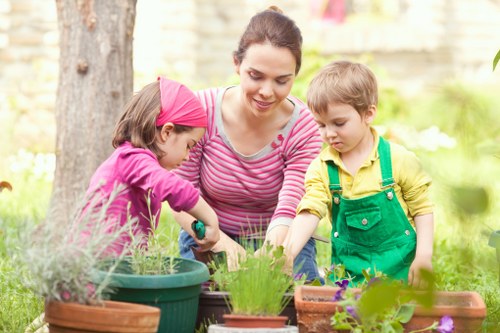 Our eco-friendly waste disposal area model uses clear labeling, weatherproof sorting bays and composting corners so gardeners and residents can sort materials easily. We recommend and install dedicated bins for food caddies, compostable garden waste, glass, mixed recyclables and small electricals. Light-touch educational signage and seasonal campaigns help increase participation, and we track progress with monthly audits and diversion reporting to ensure continuous improvement.
Local infrastructure: transfer stations and partnerships
Gardener Finchley works with nearby local transfer stations and municipal facilities to streamline material flows and minimise vehicle mileage. By consolidating collections at borough transfer hubs, we reduce the number of trips to remote facilities and lessen emissions across the collection chain. Our partnerships include negotiated slots at local apportionment points so green waste, bulky garden items and recyclables are processed as close to source as possible.
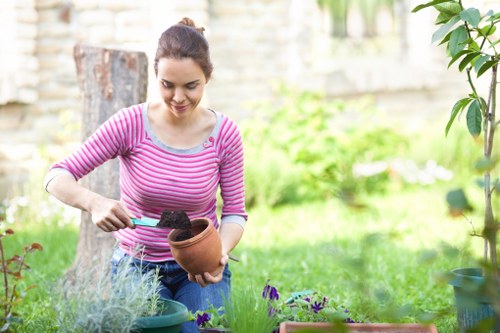 We have formal collaborations with several charities and social enterprises to extend the life of usable items: surplus soil, pots, plant supports, and lightly used tools are diverted to community gardens, tool libraries, and local reuse centres. These partnerships with charities not only support social value but also reduce the need for virgin materials and cut disposal costs. Donated gardening items are sorted, repaired where necessary, and redistributed through local networks.
Our transfer-station-first strategy helps maintain traceable chains of custody for recycled materials and ensures that compostable garden waste goes to approved organic processors. We also coordinate with borough waste teams to align bin colours and sorting instructions with the local councils' waste separation policies, improving resident compliance and participation.
Low-carbon transport and on-site energy choices
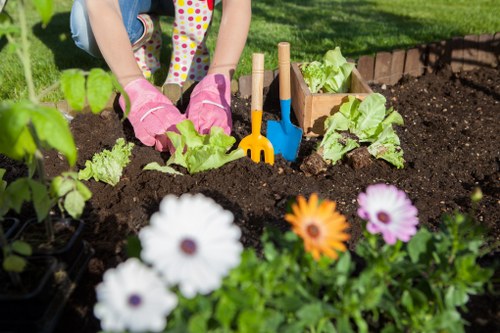 To further reduce our carbon footprint, Gardener Finchley operates a small fleet of low-carbon vans and cargo bikes for short trips between sites. These vans are plug-in hybrids or fully electric where infrastructure allows, and we prioritise route optimisation and consolidated pickups to lower emissions. Using low-emission vehicles is central to our vision of sustainable rubbish gardening areas that minimise air pollution and noise in residential neighbourhoods.
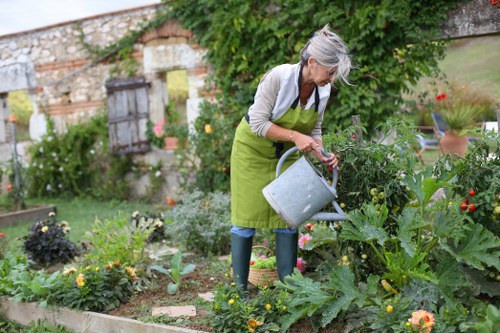 In addition to transport, we install low-energy lighting for communal waste hubs and encourage on-site composting and vermiculture to avoid unnecessary collection. These micro-infrastructure choices reduce fuel use and support a closed-loop approach where garden organics are returned as soil conditioner to the same green spaces that produced them.
Key elements of our approach include:
- Recycling percentage target: 65% diversion within 24 months, with interim milestones.
- Local transfer stations: coordinated drop-off and processing to reduce haul distances.
- Partnerships with charities: reuse networks for pots, compost, tools and bulky garden items.
- Low-carbon vans and cargo bikes: electrified and hybrid vehicles for collections and redistribution.
We apply neighbourhood-sensitive scheduling and noise-aware operations so that sustainable rubbish gardening areas sit comfortably within residential streets. Our recycling & sustainability methods also include seasonal leaf-mulching, chipper wood recycling for paths and beds, and prioritising compostable packaging for plant deliveries. Where possible, we work with suppliers who adopt refill schemes and minimal packaging to reduce mixed-waste contamination.
Gardener Finchley supports borough-led trials and participates in joint campaigns to improve kerbside separation behaviour. By aligning bin labelling and community messaging with local council practices — such as separate food waste caddies, yard waste bags, and mixed dry recycling — we make it easier for residents to participate in sustainable waste gardening and recycling initiatives.
Monitoring and reporting are built into every contract: monthly diversion metrics, seasonal audits, and annual sustainability reviews keep our recycling and sustainability commitments transparent and accountable. We report not just tonnage diverted but co-benefits such as reduced miles driven, number of items reused through charity partners, and improvements in soil carbon and biodiversity where reclaimed compost is applied.
Looking ahead, Gardener Finchley will continue to refine our eco-friendly waste disposal area plans by piloting new collection technologies, expanding charity partnerships, and increasing the proportion of electric vehicles in our fleet. Our aim is to create neighbourhoods where a sustainable rubbish gardening area is an integral part of community life — efficient, low-carbon, and rooted in reuse.
We welcome the chance to collaborate with local groups and borough initiatives to scale up recycling & sustainability successes. Together, we can turn garden waste into valuable resources, cut greenhouse gases from collection, and keep Finchley's green spaces healthy for future generations.
Gardener Finchley continues to innovate in recycling and sustainable gardening operations, delivering practical, measurable improvements in local environmental performance while supporting social and circular-economy outcomes.