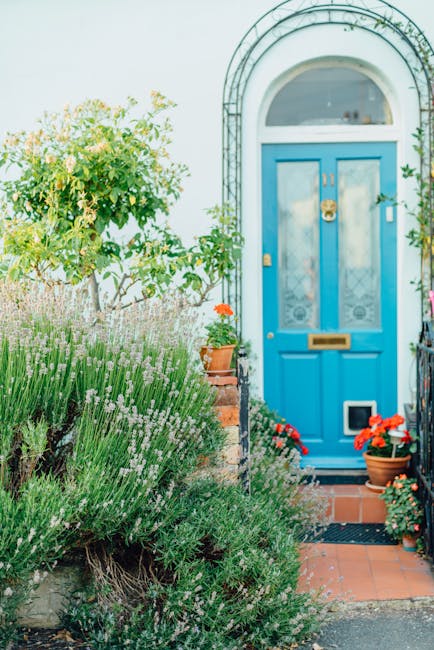
East Finchley Gardeners for Small Front Garden Transformations

Small front gardens can be deceptively tricky. They are the first thing people see, yet there is rarely much room to work with, and one awkward feature can make the whole space feel cramped. That is exactly where East Finchley gardeners for small front garden transformations earn their keep. With the right planting, tidy structure, and a realistic plan for maintenance, even a narrow London frontage can feel brighter, calmer, and more considered.
Whether your front garden is a strip of tired lawn, a patchy planting bed, or a slightly sad-looking entrance that never quite feels finished, the good news is that you do not need loads of space to make a real difference. You just need good decisions. This guide walks through how small front garden transformations work, what makes them successful, common mistakes to avoid, and how to decide which improvements are worth the effort.
For readers who want help beyond ideas, it can also be useful to explore the wider services overview, because front garden projects often sit alongside maintenance, hedge work, or broader landscaping changes. And if you are comparing providers, it helps to understand not just what looks nice on day one, but what will still look good six months later. Truth be told, that is the bit many people underestimate.
Why East Finchley Gardeners for Small Front Garden Transformations Matters
Small front gardens do a lot of work. They frame the house, soften the street view, and set expectations before anyone even reaches the front door. In East Finchley, where homes can vary from compact terraces to semi-detached properties with modest front plots, those few square metres matter more than people think.
A well-designed front garden does not have to be elaborate. In fact, trying to cram too much in usually makes it worse. A small space needs restraint. It needs structure. It needs plants that will not bully the path, and surfaces that do not look cluttered after a bit of rain and foot traffic. You want a garden that feels tidy in February and pleasant in July, not just briefly impressive for a week after planting.
There is also a practical side. A front garden can influence drainage, mud transfer into the house, and how easy it is to keep the entrance clean. If the current setup is mostly bare soil, overgrown shrubs, or mossy paving, you will notice the difference on wet days especially. A cleaner layout simply makes life easier.
For many homeowners, the emotional value matters too. A front garden can make a home feel cared for. It is a small thing, maybe, but first impressions are not small to the person walking up the path every morning with a bag, a key, and a coffee that is already going cold.
Expert summary: Small front garden transformations work best when they combine structure, proportion, and low-maintenance planting. The goal is not maximum change; it is the right change.
How East Finchley Gardeners for Small Front Garden Transformations Works
Good front garden work starts with observation. Not the glamorous bit, admittedly, but the most useful one. A skilled gardener or landscaper will usually begin by looking at the layout, the light levels, how people move through the space, and what the front garden is supposed to do. Is it mainly decorative? Is it helping with privacy? Does it need to feel more open? Is access awkward?
Once those basics are clear, the transformation is usually built around a few key moves:
- Removing or reducing tired, bulky planting that makes the space feel smaller than it is.
- Defining the edges of the garden so the layout feels intentional.
- Choosing a simple planting scheme that suits the aspect and available time for maintenance.
- Improving the hardscape, such as paving, edging, gravel, or a small retained area.
- Bringing in one or two focal points rather than lots of competing features.
In many cases, the job is not a full redesign from scratch. It may be a measured refresh. A garden clearance can be the first step if the front plot has become cluttered or difficult to manage, and a garden clearance service can help reset the space before new ideas are introduced. From there, the project might move into planting, tidy shaping, or more structural work through landscaping.
Small front garden transformations also tend to work in layers. The shape of the garden comes first, then the surfaces, then the plants, then the ongoing upkeep. If that order gets reversed, the result can look rushed. You may get nice plants, yes, but without the right bones underneath, the space still feels a bit messy. A bit like buying good furniture for a room that needs repainting and wondering why it still feels off.
Key Benefits and Practical Advantages
There are plenty of reasons people choose to transform a small front garden, and not all of them are about appearance. A good redesign gives you several practical wins at once.
1. Better kerb appeal
A neat, balanced front garden helps a property look more welcoming and better cared for. That matters whether you are staying put or planning to sell later. Even subtle changes, such as cleaner edges, fresh planting, or replacing a tired lawn strip, can make the front of the house feel more finished.
2. Easier maintenance
Small gardens should be easy to look after. If yours currently needs constant rescue work, the layout is probably working against you. Replacing awkward planting with more manageable shrubs, or simplifying the design, often saves time every month. Regular garden maintenance then becomes a straightforward routine rather than a battle.
3. Better use of limited space
A small front garden has to earn its keep. Maybe it needs to allow bins to pass easily. Maybe it needs a path that feels less narrow. Maybe it needs a proper visual frame around the doorway. Whatever the issue, thoughtful design makes the space feel larger, not busier.
4. Improved planting health
When plants are matched properly to the site, they stay healthier and look better for longer. That means less patchy growth, less collapse into the path, and fewer emergency fixes. It sounds obvious, but gardens often go wrong because someone chose plants based on a nice label rather than actual conditions.
5. More year-round structure
Small front gardens can look bare in winter if they rely too heavily on seasonal flowers. By using evergreen structure, carefully shaped hedges, and resilient planting, the garden stays presentable even in colder months. If needed, neat boundary definition through hedge trimming can also make a huge difference.
Who This Is For and When It Makes Sense
This kind of work suits a broad mix of homeowners, but the common thread is usually the same: the front garden is small, underused, or slightly chaotic, and it is no longer doing the job you want it to do.
You might be the right fit for a front garden transformation if:
- Your entrance feels cramped or cluttered.
- The existing garden needs frequent cutting back just to stay passable.
- You want a more attractive entrance without creating a high-maintenance space.
- There is patchy lawn, broken paving, or tired shrub growth that no longer adds value.
- You have recently moved in and want to make the property feel more like yours.
It also makes sense if you have practical concerns. A family home with children's pushchairs, deliveries, or bins to manoeuvre needs a different approach from a property where the front garden is mainly decorative. Likewise, if a tree or large shrub is throwing too much shade, it may be worth considering tree lopping and removal where appropriate, because structure and light are often linked in small gardens.
To be fair, not every front garden needs a dramatic redesign. Some just need better shape, a few smarter plants, and a routine that keeps things crisp. That still counts. Often it is enough.
Step-by-Step Guidance
If you are planning a transformation, a staged approach usually works best. It keeps the budget sensible and helps you avoid costly changes that do not suit the space.
- Start with a clear brief. Decide what matters most: appearance, maintenance, access, privacy, or all of the above.
- Assess the space honestly. Look at sun, shade, drainage, soil condition, and how people actually use the area.
- Remove the clutter. Clear away redundant items, failed planting, and anything that makes the garden feel cramped. If the front area is heavily neglected, a professional clearance can save time and effort.
- Set the structure first. Paths, edging, beds, and any retaining elements should be decided before plants go in.
- Choose a planting palette. Stick to a limited number of plants that suit the conditions and the style of the house.
- Think about maintenance from day one. A front garden should not need a weekly battle. Plan for pruning, mowing, and seasonal tidy-ups if relevant.
- Add detail last. Lighting, planters, decorative gravel, or a small feature can finish the space once the fundamentals are right.
One useful habit: step back and look at the garden from the pavement and from the front door. Those two viewpoints often tell very different stories. What feels balanced from the window can look oddly crowded from the street, and vice versa.
If you want a more design-led approach, landscape gardening can help shape a layout that feels intentional rather than improvised. That distinction matters more than people realise.
Expert Tips for Better Results
Here are a few practical ideas that tend to separate a decent front garden from a genuinely good one.
- Keep the plant palette tight. Too many species in a small plot creates visual noise. Three to five well-chosen plants often outperform ten random ones.
- Use repetition. Repeating a few forms or colours gives a tiny garden rhythm and makes it feel calmer.
- Choose evergreen backbone first. Evergreens keep the garden from disappearing in winter.
- Mind mature size. A shrub that looks neat in a pot may become a monster by year two. It happens all the time, honestly.
- Balance soft and hard surfaces. If everything is planting, the space can feel untidy; if everything is paving, it can feel harsh. A sensible mix usually wins.
- Allow room for upkeep. A border that can only be reached by stepping on plants is going to be annoying very quickly.
A really simple trick is to build one strong visual line. It could be a crisp edge beside the path, a low hedge, or a repeated planting strip. One line, done well, can make a small front garden feel organised even before anything flowers.
Another thing: do not be afraid of empty space. In a compact plot, breathing room is not wasted ground. It is what lets the good bits stand out.
Common Mistakes to Avoid
Most front garden disappointments are not caused by bad taste. They are caused by overfilling the space or ignoring how gardens behave over time.
- Planting too densely. Everything looks lush for a month, then it becomes a tangle.
- Choosing the wrong scale. Oversized features dominate a small entrance and make it feel awkward.
- Ignoring drainage. Poor drainage can leave muddy or slippery areas that never quite settle down.
- Using too many materials. Mixing gravel, brick, timber, and different paving styles can look fragmented if it is not handled carefully.
- Forgetting maintenance access. Nice-looking planting is no good if you cannot trim or tidy it without a struggle.
- Rushing the cleanup. A good transformation often starts by removing old growth properly, not just hiding it.
A smaller problem, but still worth mentioning: people sometimes choose plants that need a lot more water or pruning than they expected. Then summer arrives, work gets busy, and the garden starts telling the truth. Loudly.
If you want the front to stay tidy with less effort, pair the transformation with regular care, and where needed, keep the lawn portion under control through lawn mowing. It is boring, yes. But it works.
Tools, Resources and Recommendations
You do not need a shed full of specialist kit to improve a small front garden, but a few basic tools and sensible resources make life easier.
Useful tools
- Sharp hand secateurs for light pruning and shaping.
- Sturdy gloves, especially if removing old roots or thorny growth.
- A spade or border fork for lifting and reworking beds.
- A measuring tape for checking path widths and bed proportions.
- A broom and rake for keeping the area neat during and after the work.
Helpful planning materials
- Simple sketches of the front garden from above.
- Photos taken from the pavement and the front door.
- A rough list of what must stay, what can go, and what needs replacing.
- Notes on sun, shade, and wet spots after rainfall.
If you are hiring help, it is sensible to look for a team that can explain both design and maintenance. A front garden transformation is not just a one-off tidy-up. It should leave you with a space you can live with. You can also check practical business pages such as pricing and quotes, insurance and safety, and the company's about us page if you want a better sense of how they work.
There is also value in choosing providers who take sustainability seriously. Smaller gardens can still be handled with responsible waste management and thoughtful reuse. The recycling and sustainability page is worth a look if that matters to you, and frankly it should matter to most people.
Law, Compliance, Standards, or Best Practice
For most small front garden transformations, the main compliance issues are practical rather than dramatic. Still, it is worth approaching the work carefully.
In the UK, if your front garden changes involve trees, larger hedges, boundary walls, shared access, or significant levels of hard landscaping, you should check whether permissions or neighbour considerations apply. The exact requirements can vary by property and local circumstances. It is not something to guess at. Likewise, if the work affects visibility, access, or drainage, it is wise to plan conservatively and keep the design functional.
Best practice usually includes:
- Using plant choices that suit the site rather than forcing an unsuitable style.
- Making sure paths and entrances remain safe and unobstructed.
- Keeping waste handling tidy and responsible.
- Ensuring work near trees or larger features is assessed before cutting back aggressively.
- Confirming that the contractor follows sensible health and safety processes on site.
It is also reasonable to ask about insurance, methods, and what happens if something unforeseen turns up below the surface, such as damaged edging or poor drainage. Good professionals do not mind these questions. If anything, they expect them.
Options, Methods, or Comparison Table
Not every small front garden needs the same kind of intervention. Some only need a cleanup and replanting. Others need structural changes. A few need both. The right approach depends on how much the space is failing and how much you want to change it.
| Approach | Best for | Typical outcome | Maintenance level |
|---|---|---|---|
| Light refresh | Gardens that are basically sound but untidy | Cleaner edges, better planting, improved presentation | Low |
| Garden clearance plus replanting | Overgrown or cluttered front plots | A reset space with a fresh layout | Low to medium |
| Soft landscaping | Spaces needing better shape without major building work | Improved structure, beds, and planting balance | Low to medium |
| Full landscaping | Front gardens with layout, access, or surface problems | More substantial transformation and long-term usability | Varies |
In many East Finchley homes, the best answer is a blend rather than a single method. For instance, a garden might need clearance, a better edge line, and a small amount of new paving or decking detail. If a raised entry point or seating area is relevant, decking services can sometimes fit neatly into the plan, though only when the layout genuinely benefits from it.
Case Study or Real-World Example
Imagine a narrow front garden with patchy lawn, a tired shrub that has outgrown its space, and a path that feels squeezed in by the planting. Nothing is exactly broken, but the whole thing looks a bit weary. You pass it every day and keep thinking, "It could be nicer, couldn't it?"
A sensible transformation might begin with clearance and pruning. The bulky shrub is reduced or removed if necessary. The edges are redefined so the path reads clearly. The lawn is either rebuilt into a simpler planted area or replaced with a lower-maintenance finish. A few evergreen shrubs and one repeated flowering plant give the space structure without overcrowding it. Maybe a slim gravel border is added to soften the path edge. Maybe not. Depends on the house.
The result is not a show garden. That is not the point. The result is a front garden that feels intentional, calmer, and far easier to look after. The entrance looks brighter from the street, the path feels wider, and the homeowner stops treating the front garden like a weekly nuisance. That alone is a win.
In real projects, small changes often matter more than dramatic ones. A better outline, a cleaner threshold, and a few reliable plants can completely change how the house reads from the road. Small, yes. But not minor.
Practical Checklist
Use this checklist before starting a small front garden transformation:
- Decide what the garden needs most: appearance, access, privacy, or maintenance reduction.
- Take photos from the street and the front door.
- Measure the usable space carefully.
- Note sun, shade, wet patches, and awkward corners.
- Identify anything that must stay.
- Remove clutter, dead growth, and tired features.
- Choose a simple structure before choosing plants.
- Keep the planting palette small and suitable for the site.
- Plan for ongoing garden maintenance.
- Check whether trees, hedges, or boundary features need extra care.
- Ask about insurance, waste handling, and safety practices.
- Set a realistic budget and timeline.
If you tick all of that off, you are already ahead of most rushed front garden jobs. Honestly, that little bit of planning saves a lot of regret later.
Conclusion
Small front garden transformations are about making compact spaces work harder and look better without turning them into a chore. The best results come from simple structure, carefully chosen planting, and a design that respects how the space is actually used. That is the sweet spot.
In East Finchley, where front gardens often need to balance appearance, access, and easy upkeep, a thoughtful transformation can make a home feel more welcoming straight away. And if you get the basics right, you will keep enjoying the result long after the fresh planting has settled in. That is the real value.
For homeowners comparing options, the safest route is to start with clear goals, practical advice, and a team that understands both design and maintenance. If you are ready to take the next step, you can explore the wider service information and then decide what level of help makes sense for your garden.
Get a free quote today and see how much you can save.
Frequently Asked Questions
What do East Finchley gardeners for small front garden transformations usually include?
They usually include some combination of clearance, pruning, planting changes, improved edging, tidying of paths or borders, and occasional soft landscaping. The exact mix depends on the space and your goals. Some gardens only need a refresh; others need a full reset.
How do I make a small front garden look bigger?
Keep the design simple, use repetition, avoid overcrowding, and create clear edges. A small number of well-placed plants often makes the area feel larger than lots of competing features. Open lines and uncluttered sightlines help a lot too.
Is a front garden transformation worth it for a small property?
Usually, yes. A small front garden is highly visible, so even modest improvements can change the feel of the whole house. It can also reduce maintenance and make the entrance easier to manage.
Should I keep lawn in a small front garden?
Only if it genuinely suits the space and you are happy to maintain it. In very small plots, lawn can be more hassle than benefit. Many homeowners choose planting, gravel, or a mixed approach instead.
How often will a transformed front garden need maintenance?
That depends on the planting style, but most small front gardens benefit from light regular upkeep rather than occasional major rescue work. Trim, weed, check edges, and keep an eye on growth. A little and often approach works best.
Can hedge trimming make a small front garden better?
Absolutely. If a hedge is taking up too much room or blocking light, careful shaping can make the garden feel more open and tidy. It is one of those jobs that can change the whole frontage faster than people expect.
What if my front garden is mostly paved or mostly bare soil?
That is not unusual. The solution depends on whether you want more softness, better structure, or easier care. Bare soil often benefits from planting and edging, while too much paving may need softening through borders or feature planting.
Do I need landscaping work or just garden maintenance?
If the garden is basically functional but untidy, maintenance may be enough. If the layout, access, or structure is the problem, landscaping is more likely to be the right route. A proper assessment usually clears that up pretty quickly.
What should I ask before hiring someone for the job?
Ask how they would approach the space, what they would keep or remove, how they handle waste, whether they are insured, and what ongoing maintenance might be needed. Good answers should be specific, not vague.
How long does a small front garden transformation take?
It varies a lot. A light refresh may take only a short visit, while a more involved redesign can take longer depending on clearance, preparation, and planting. Weather and access can also affect timing. No surprise there.
Can I combine a front garden transformation with other outdoor work?
Yes, and that is often a smart approach. Front garden work can sit alongside garden clearance, hedge trimming, or broader landscaping. Planning the jobs together can make the whole project feel more coherent and sometimes more cost-effective.
How do I know if my front garden needs a full redesign?
If the layout feels cramped, the planting has failed, the maintenance burden is too high, or the entrance no longer suits the house, a redesign may be the better option. When a simple tidy-up no longer solves the problem, that is usually the clue.