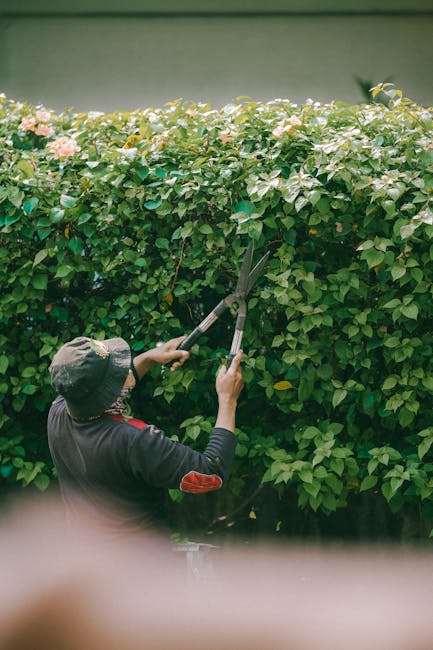
Gardeners Serving North Finchley N12 for Hedge Trimming
If your hedge has started to look a little wild around the edges, you are not alone. In North Finchley N12, hedges grow fast, spill over paths, and can make even a tidy garden feel unfinished by mid-season. Gardeners Serving North Finchley N12 for Hedge Trimming are there to keep that growth in check, shape boundaries neatly, and make everyday garden life easier. Whether you want a sharp formal finish or just a healthy, well-managed hedge, the right approach saves time, reduces stress, and usually makes the whole property look more cared for. Truth be told, a good hedge trim can change the feel of a garden in about ten minutes flat.
This guide explains what hedge trimming involves, how local gardeners typically work, what to expect from a proper service, and how to avoid the common mistakes that lead to patchy results or stressed plants. It also covers practical checklists, comparison points, and a realistic example so you can make a sensible decision without guesswork.
Table of Contents
- Why Gardeners Serving North Finchley N12 for Hedge Trimming Matters
- How Gardeners Serving North Finchley N12 for Hedge Trimming Works
- Key Benefits and Practical Advantages
- Who This Is For and When It Makes Sense
- Step-by-Step Guidance
- Expert Tips for Better Results
- Common Mistakes to Avoid
- Tools, Resources and Recommendations
- Law, Compliance, Standards, or Best Practice
- Options, Methods, or Comparison Table
- Case Study or Real-World Example
- Practical Checklist
- Conclusion
- Frequently Asked Questions
Why Gardeners Serving North Finchley N12 for Hedge Trimming Matters
Hedges do more than frame a garden. They create privacy, soften hard edges, shelter wildlife, and help define the look of a front or back space. When they are trimmed properly, they look intentional. When they are not, they quickly become one of those things you keep noticing every time you open the curtains. You know the feeling.
In a busy area like North Finchley N12, where many gardens are compact and boundaries sit close to paths, fences, driveways, or neighbouring plots, hedge maintenance becomes especially important. A hedge that leans out too far can block light, make access awkward, or just feel untidy. That is one reason many homeowners prefer a regular local service rather than waiting until the hedge is frankly too far gone.
There is also a plant-health angle. Cutting at the wrong time, taking too much off at once, or using blunt tools can leave a hedge stressed, sparse, or uneven. A knowledgeable gardener understands the difference between simple shaping and real pruning needs. If you want a fuller service approach around the garden, it can also help to look at garden maintenance as part of an overall care plan, not just as a one-off job.
And yes, appearances matter. A neatly trimmed hedge can improve the feel of the whole property, whether it is a front garden that faces the street or a back garden that should feel calm rather than overgrown. Simple, but effective.
How Gardeners Serving North Finchley N12 for Hedge Trimming Works
A professional hedge trimming visit usually starts with a quick assessment. The gardener checks hedge type, height, thickness, access, boundaries, and whether the hedge needs light shaping or a stronger reduction. Some hedges need careful edging and tidying. Others have become lopsided and need more structure brought back into them.
From there, the work normally follows a practical sequence:
- Assessment and setup. The area is checked for access, obstacles, bird activity, and anything fragile nearby.
- Initial cutting or shaping. The outer growth is reduced to restore the line and balance of the hedge.
- Detail trimming. Edges, top lines, and awkward corners are refined so the result looks even.
- Waste collection. Clippings are gathered and cleared away, which is a bigger job than many people expect. Hedges can produce a surprising pile, really.
- Final check. The gardener inspects the shape, access points, and any areas that need a touch-up.
For some gardens, hedge trimming is part of a wider seasonal plan that may include mowing, shaping borders, or clearing heavier growth. That is where lawn mowing and other regular upkeep can complement the work nicely. If the garden has become cluttered or blocked by old cuttings, a linked service such as garden clearance can make the whole space easier to manage before or after the trim.
A good local gardener will also pay attention to practical things like access through side gates, proximity to sheds, and whether clippings might fall onto a neighbour's side of the boundary. Small details, but they matter a lot in real homes.
Key Benefits and Practical Advantages
There is more to hedge trimming than neatness. Done well, it delivers a handful of real benefits that make daily garden use easier and more pleasant.
- Better kerb appeal. The garden looks cared for without needing a complete overhaul.
- Improved light and space. Trimming back overgrowth can open up paths, windows, and borders.
- Healthier growth. Routine cutting helps many hedges stay dense and balanced.
- Safer movement. Paths, driveways, and steps are easier to use when growth is not creeping into them.
- Less seasonal panic. Regular maintenance is far easier than a huge, once-a-year rescue job.
There is a practical side too. A hedge that is trimmed on a sensible schedule usually needs less corrective work later. That can make visits quicker, more predictable, and often easier to budget for. If you are comparing options, it is worth looking at transparent pricing and quotes so you can see how the work is scoped rather than guessing from a vague phone estimate.
And from a purely human perspective, a tidy hedge does something subtle to a space. It makes the garden feel like a place you want to use, not a task waiting to happen. That's the real win, to be fair.
Who This Is For and When It Makes Sense
Hedge trimming services suit a wide range of property owners and situations. It is not just for large gardens or formal landscapes. In North Finchley, many homes have modest gardens where even a single hedge can dominate the look and feel of the space.
This service makes sense if you are:
- a homeowner wanting a cleaner garden boundary
- a landlord preparing a property for viewing or tenancy changes
- a busy family with hedges that keep getting out of hand
- an older resident who prefers not to handle ladders or heavy tools
- someone improving a garden as part of wider external updates
It also makes sense when hedges start blocking light, reducing visibility from windows, or squeezing usable space on paths and patios. If a hedge is getting too large to manage safely from ground level, that is a sign to stop improvising. A professional service is usually the smarter move.
Some gardens need hedge work alongside broader landscaping adjustments. In that case, looking at landscaping or landscape gardening can help you think beyond the immediate trim and plan the garden in a more joined-up way.
And if the hedge has become part of a bigger tangle of branches, ivy, or old woody growth, you may even need support from tree lopping and removal for adjacent problems. Not every overgrown area is just a hedge issue.
Step-by-Step Guidance
If you are arranging hedge trimming in North Finchley N12, this is the practical way to think about it.
- Identify what the hedge needs. Is it a light tidy, a full reshape, or a height reduction? The answer changes everything.
- Check access and boundaries. Make sure there is space to work safely and that everyone understands where the hedge line sits.
- Choose the right time. Different hedges and different nesting seasons can affect what is sensible. A good gardener will be cautious here.
- Clear the area. Move pots, furniture, toys, hoses, and anything brittle or valuable. It saves bother later.
- Agree on the finish. Do you want a formal straight edge, a softer natural line, or simple maintenance? Say it clearly.
- Allow for waste removal. Hedge cuttings take up room and can be awkward to transport. Plan for that from the start.
- Review the result. Walk around the hedge from different angles. What looks good from the patio may not look quite right from the pavement.
One thing many people forget: a hedge can look perfect from one side and not quite right from another. It happens more often than you'd think. A slightly uneven result at ground level can be hard to notice until morning light hits it at an angle. Then it jumps out at you.
If you prefer an ongoing approach, regular maintenance visits are usually easier to manage than occasional big cuts. That is why many homeowners combine hedge work with routine garden maintenance rather than treating each task separately.
Expert Tips for Better Results
A few small habits can make a big difference to hedge health and appearance. These are the kinds of details that separate a merely okay trim from a genuinely tidy one.
- Trim little and often. This usually keeps shape better than letting hedges become overgrown and then cutting hard.
- Work from the top down. It helps maintain a consistent silhouette and makes the job easier to judge.
- Keep the base slightly wider where appropriate. Many hedges benefit from a shape that lets light reach lower growth.
- Watch for hidden damage. Dead sections, pests, and broken branches are easier to spot during careful trimming.
- Clear clippings promptly. A tidy finish is part of the job, not an optional extra.
If you have a mixed garden with beds, turf, fencing, decking, and hedging all close together, trimming should be planned around the rest of the space. A good example is a small rear garden where hedge cuttings could land on a decked seating area. In that situation, it can be sensible to pair hedge work with decking services or other surface care so the whole space feels finished, not half-done.
Another practical tip: if you know you will want a major reshape, do not wait until the hedge is towering over everything. That is when mistakes creep in. Smaller corrections are usually kinder to the plant and easier on the eye.
Common Mistakes to Avoid
Hedge trimming looks straightforward until it is not. A few mistakes come up again and again, especially when people try to do too much too quickly.
- Cutting too hard in one go. This can expose bare patches and leave the hedge looking thin.
- Ignoring the plant type. Not every hedge responds the same way to trimming.
- Using blunt or unsuitable tools. Ragged cuts look messy and may stress the hedge.
- Forgetting the waste. Many DIY jobs stall because no one planned for disposal.
- Not checking the boundary line. This can create disputes or uneven visuals along fences and edges.
- Trimming at the wrong time. You can disturb nesting birds or reduce flowering in some hedge types if timing is poor.
There is also a common assumption that "lower is always better" because it feels more controlled. Not necessarily. A hedge that is reduced too aggressively may look neat for a week and then struggle to recover its shape. That is not a great trade.
If you are unsure whether your hedge needs shaping, reduction, or a broader garden tidy-up, it can help to speak to a local team that handles more than one type of job. Services like services overview pages are often useful for understanding the full picture before you book anything.
Tools, Resources and Recommendations
Professional hedge trimming usually relies on the right equipment rather than brute force. For homeowners, knowing the basics makes it easier to judge whether a job is simple enough to handle or better left to a gardener.
| Tool or Resource | Typical Use | Why It Matters |
|---|---|---|
| Hedge trimmers | Shaping sides and tops | Helps create clean, even lines |
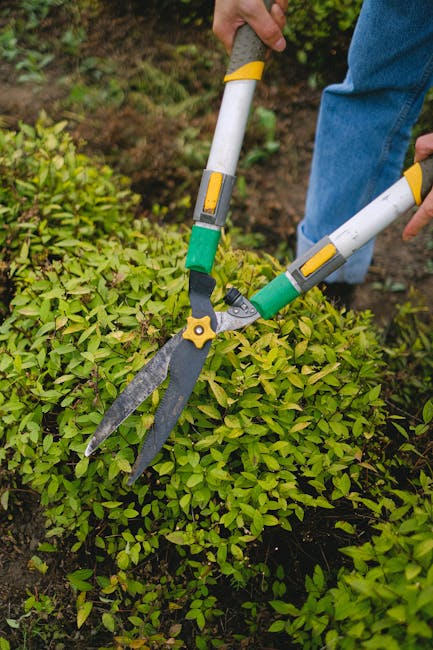
| Hand shears | Detail work and finishing | Useful for precision around awkward sections |
| Rakes and tarps | Collecting clippings | Makes cleanup quicker and less messy |
| Ladders or reach tools | Taller hedges | Safety and access become more important at height |
| Garden waste bags or removal support | Disposal | Stops the tidy-up becoming an afterthought |
For most households, the main recommendation is simple: if the hedge is only a light trim and easy to reach, you may manage it yourself. If it is tall, uneven, dense, or close to awkward structures, a professional is usually the better choice. It is one of those jobs where confidence can outpace safety very quickly.
It is also worth considering sustainability and disposal habits. If you care about waste handling and responsible garden upkeep, the company's recycling and sustainability approach may matter to you, especially when regular clippings are involved.
Law, Compliance, Standards, or Best Practice
Hedge trimming is not just a visual task. In the UK, there are practical responsibilities around safety, access, and wildlife awareness. Exact obligations can depend on the situation, but a careful gardener will usually think about the following.
- Bird nesting awareness. Cutting should be approached carefully during nesting periods, with checks before work begins.
- Safe working at height. Tall hedges may require proper access equipment and sensible precautions.
- Boundary respect. A hedge near a neighbour's property should be handled with clear communication and care.
- Waste management. Clippings should be dealt with responsibly rather than left piled up.
- Insurance and safety. Anyone working professionally should be properly insured and follow safe practices.
If you are comparing providers, a good sign is that they are clear about how they manage risk and site safety. The pages on health and safety and insurance and safety are exactly the kind of place you want to see that information explained plainly. No jargon. No drama.
Best practice is simple, really: trim with the plant's long-term health in mind, work safely, and leave the site tidy. That is the standard most homeowners expect, and fairly so.
Options, Methods, or Comparison Table
If you are deciding how to handle hedge care, the main question is not just "can it be trimmed?" but "what is the right method for this hedge and this garden?"
| Option | Best For | Pros | Trade-Offs |
|---|---|---|---|
| Light maintenance trim | Healthy hedges that are already in shape | Quick, neat, low disruption | Not suitable for major overgrowth |
| Formative shaping | Younger hedges or recent planting | Helps guide future structure | Needs consistency over time |
| Reduction and rebalancing | Overgrown or lopsided hedges | Restores control and access | May need more careful judgement |
| Integrated garden tidy-up | Gardens needing several jobs at once | Efficient and visually cohesive | Requires slightly more planning |
In many North Finchley gardens, the integrated option makes sense because hedge work often sits alongside mowing, clearance, or edging. If the space is especially messy, combine the trim with garden clearance so the end result feels properly reset.
Case Study or Real-World Example
Here is a realistic example from the kind of garden many local homeowners deal with. A narrow back garden has a laurel hedge running along one side, plus a small lawn and a seating area. By late summer, the hedge has pushed out over the edge of the path and started shedding clippings into the border every time the wind picks up. Nothing dramatic. Just annoying enough to keep noticing.
The gardener begins with a proper assessment, checks the access down the side return, and agrees that the goal is a neater profile rather than a heavy reduction. The hedge is trimmed from top to bottom, the line is corrected along the path, and the clippings are cleared away in one pass. The result is not flashy, but the whole garden suddenly feels wider and calmer. The owner can walk through without brushing leaves off their sleeves. That matters more than people think.
If the same garden also needed a broader refresh, the next sensible step might be a mix of hedge trimming, lawn mowing, and a light maintenance visit. Simple jobs, linked together, often give the best outcome. Not glamorous, just sensible.
Practical Checklist
Use this before booking or before any hedge work begins.
- Do I know whether the hedge needs trimming, shaping, or reduction?
- Is the access clear for safe working and waste removal?
- Have I identified any fragile plants, lighting, furniture, or ornaments nearby?
- Do I know whether the hedge sits on or near a boundary line?
- Have I checked whether birds may be nesting in the hedge?
- Do I want the hedge to look formal, natural, or simply tidy?
- Is the work part of a wider maintenance plan?
- Have I asked about insurance, safety, and waste handling?
- Am I clear about the quote and what is included?
- Will the garden need follow-up work afterwards?
If you can answer most of those questions, you are already ahead of many rushed bookings. That small bit of preparation usually pays off.
Get a free quote today and see how much you can save.
Conclusion
Gardeners Serving North Finchley N12 for Hedge Trimming provide more than a quick cut. Done properly, the service keeps hedges healthy, improves light and space, supports safer garden use, and gives the whole property a more cared-for feel. It also removes the guesswork that comes with tackling tall, dense, or awkward hedges on your own.
If you want the garden to feel orderly without turning every weekend into a maintenance project, regular hedge care is one of the best places to start. Small, consistent attention usually beats big emergency fixes every time. And once the hedge is back in line, the rest of the garden tends to look better too. Funny how that works.
For a local, joined-up approach, it can help to learn more about the team behind the work on the about us page or simply contact us to discuss your garden and get the right advice for your space.
Frequently Asked Questions
How often should hedges be trimmed in North Finchley N12?
It depends on the hedge type, growth rate, and the look you want. Many hedges benefit from regular maintenance rather than a single big cut each year. Fast-growing hedges may need attention more often.
Can I trim my hedge myself?
Yes, if it is small, accessible, and only needs a light tidy. But once hedges become tall, dense, or awkwardly positioned, professional help is usually safer and gives a neater finish.
What is the difference between hedge trimming and hedge reduction?
Trimming is mainly about shaping and maintenance. Reduction is a more significant cut back to lower the height or width of an overgrown hedge. The two jobs are related, but not the same.
Will hedge trimming damage the plant?
It can if it is done too aggressively, at the wrong time, or with poor tools. Careful trimming that suits the hedge type is usually fine and often helps maintain healthy growth.
Do I need to clear the garden before the gardener arrives?
It helps a lot. Moving pots, furniture, toys, hoses, and other obstacles makes the job quicker and lowers the risk of accidental damage.
What happens to the hedge clippings?
Usually they are collected and removed as part of the job or managed according to the agreed service. It is worth confirming this before work starts so there are no surprises.
Can hedge trimming improve privacy?
Yes. A tidy, well-managed hedge can maintain privacy better than an overgrown one that has become thin or uneven. The aim is structure, not just height.
Is hedge trimming affected by nesting birds?
It can be. A careful gardener will check for nesting activity and avoid disturbing wildlife. If there is any doubt, the work should be approached cautiously.
What should I ask before booking a hedge trimming service?
Ask what is included, how the hedge will be shaped, whether waste removal is covered, and how safety is handled. If you want a broader garden refresh, ask about related services too.
Are hedge trimming services only useful for large gardens?
No. Smaller gardens often benefit just as much, sometimes more, because a single overgrown hedge can dominate the whole space. In compact gardens, a clean line makes a surprisingly big difference.
Can hedge trimming be combined with other garden work?
Absolutely. It often makes sense to combine it with garden maintenance, mowing, or clearance so the garden looks consistent rather than partly finished.
How do I know if my hedge needs professional attention?
If it is too tall to reach safely, blocking light, spilling over boundaries, or looking uneven after a DIY attempt, it is probably time to call in a gardener. Better that than wrestling with it on a windy afternoon and regretting everything by tea time.